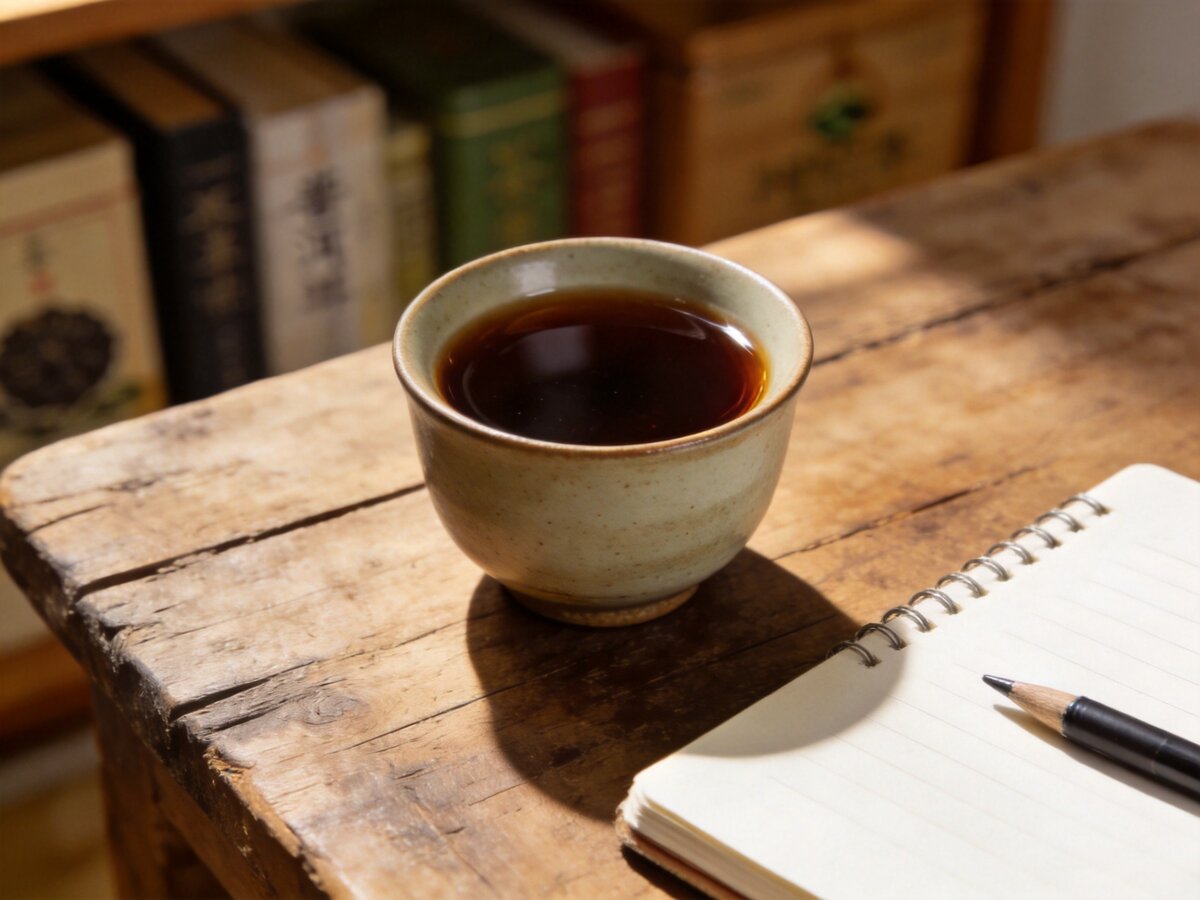
A few days ago, I saw a piece of news: the first batch of 36 shops in Simao District were officially designated as "Puer Tea Tasting-Recommended Shops."
Not a gimmick. Each shop offers a basic tasting experience for 10 yuan per person — sit down, have a cup, and decide if you want more only if you like it.
10 yuan, one cup of tea. That simple.
Having been in this industry for years, my first reaction when I saw this news was: finally.
The Numbers Don't Lie
Something big is happening in the Puer tea industry: a shift from "storing" to "drinking."
Here are the numbers.
Drinking demand now accounts for over 65%. 71.6% of consumers say they value their own tasting experience above all else. And those whose primary purpose is "collection"? Only 31.0%.
Young people are here. Consumers under 30 surged from 21% in 2023 to 37% in 2026. The Douyin E-commerce 2026 Spring Tea Consumption Report is even more direct — new customers aged 18 to 30 account for over 36%.
Prices are talking too. Mid-to-low-end spring tea prices dropped about 15% overall in 2026. The pace of "destocking" has clearly accelerated.
3-gram compressed tea pieces — these small-format products are becoming a new trend. Why? They lower the barrier to entry. You don't have to commit to a full 357g cake. Try 3 grams first. Don't like it? You've only spent the cost of one brew. Like it? Buy a bigger package.
Put these numbers together, and they all point to one conclusion:
Puer tea is shifting from a collectible back to an everyday beverage.
Why Now
Frankly, the collection and speculation frenzy needs to recede.
In previous years, the "financial attribute" of Puer tea was blown up to an abnormal degree. People bought whole cases, hoarded whole batches — not to drink, just to hold for appreciation. The result? Price bubbles, inconsistent quality, eroded consumer confidence. Many newcomers were lured in by the "store tea for appreciation" story, bought a few cakes of unknown raw material, stored them for years, opened them up, and the taste was off.
I've seen this too many times. It's disheartening.
Now young people are entering the market, and they don't play that game.
They don't care how many years your tea can be stored or how many times its value might multiply. They care about one thing: does it taste good? Is the flavor clean? Does the bitterness dissipate? Does the sweet aftertaste come through? Is it comfortable to drink?
This logic is incredibly simple, and incredibly correct.
Tea is for drinking. I've said this countless times, and now the market is finally starting to agree.
What Songdehao Has Been Doing All Along
Honestly, the tasting side is something we've been doing all along.
The "Cake Opening" series — every time we open a new tea, from unwrapping the cotton paper, prying the cake, to brewing and tasting, we record the entire process. Not marketing copy — real tasting notes. How a tea's flavor evolves from new to aged, what the liquor color is when opening the cake, what the aroma is, which infusion starts turning sweet — we note it all.
When we opened the Bulang Impression, I recorded detailed brewing parameters: 110ml gaiwan, 7g of tea, water temperature 95–100°C, 5-second quick first pour. A 12-year-aged raw tea — the bitterness is still there, but the sweet aftertaste comes on strong. By the third infusion, the bitterness dissipates quickly, sweetness rises from the throat, and the mouthwatering effect is pronounced. You can't feel any of this just by looking at the wrapper — you have to brew it, drink it, and record it.
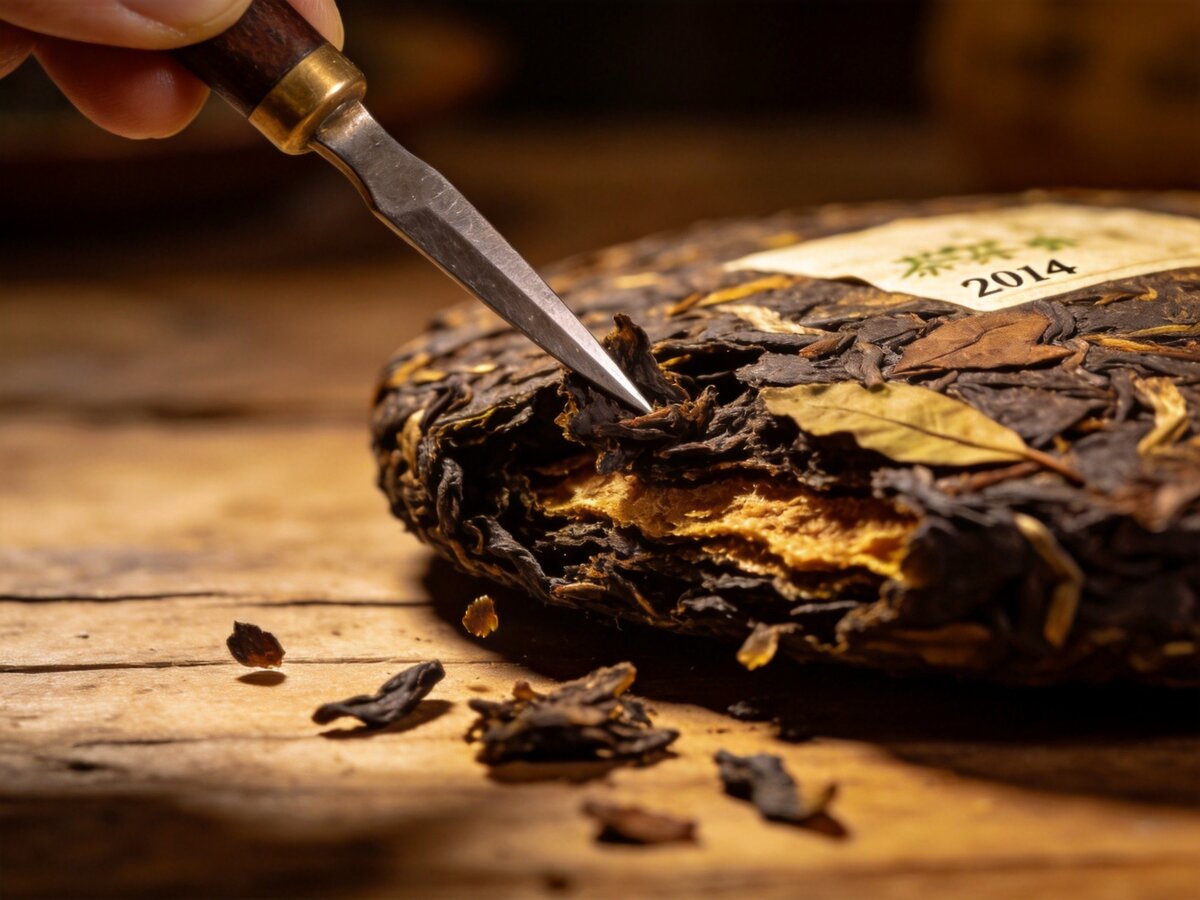
The Yiwu 2014 is the same. When we opened the cake, the liquor was already a beautiful orange-red, soft and delicate on the palate, with almost no bitterness. Twelve years of aging — the bitter-type catechins keep condensing, while the sweet-return-type polysaccharides slowly accumulate. This is what an aged raw tea should be. From the sharp clarity of its youth to the gentle warmth of now, time has left its mark in the tea liquor.
We've also been doing brewing tutorials. What water temperature for raw tea? Should you discard the first pour of ripe tea? How to adjust parameters for teas of different ages — we've been covering all of this. Raw tea uses 95–100°C water to bring out the aroma; ripe tea can use 100°C to extract the aged fragrance and sticky sweetness. Leaf-to-water ratio, pour time, steeping rhythm — every variable affects the final taste.
Not because we're so impressive, but because the learning curve for Puer tea is genuinely steeper than other teas. If we don't explain it clearly, a lot of people miss out.
Drinking Puer Daily — How to Choose
A lot of people ask me: for daily drinking, should I choose raw or ripe Puer?
My advice: consider your body type and the occasion.
For beginners, start with ripe tea (shou). Ripe Puer undergoes pile fermentation, which has already transformed the bitterness. It enters smooth, sweet, and mellow, and is gentler on the stomach. No restrictions on timing — morning or after meals, both are fine. Ripe tea stored for 1–2 years sheds its fermentation notes, the aged aroma emerges, and the texture becomes denser. So ripe tea doesn't need deliberate "storage" either — just buy it, let it sit a while, and it naturally tastes better.
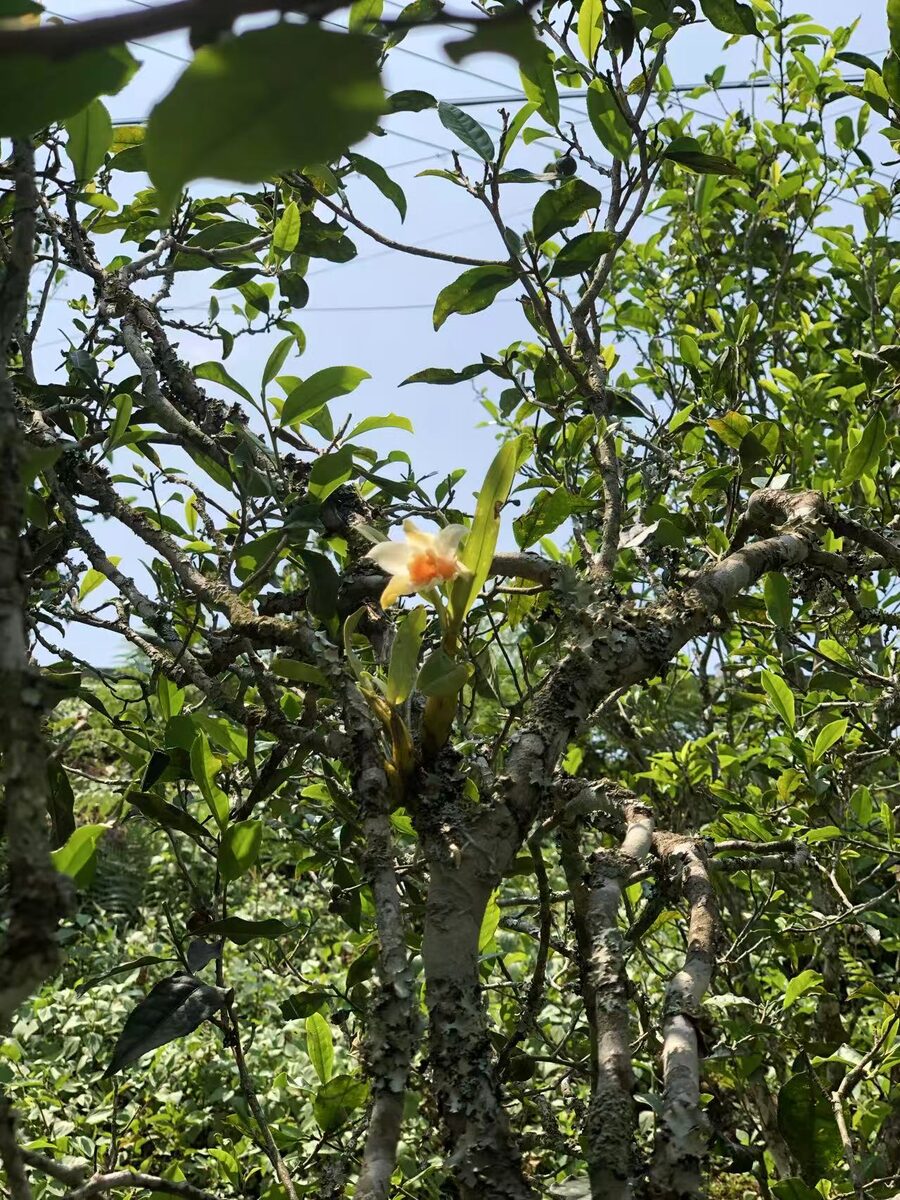
If you want to try raw tea (sheng), start with good value options. For example, our Mangfei ancient tree tea — Mangfei Mountain material from Yongde County, ancient tree tea, with an annual supply of about a hundred kilograms. Clean flavor, has bitterness but it dissipates quickly, with a clear sweet aftertaste. Perfect as an everyday staple tea. No need to agonize over storing it — buy it to drink, and buy more when you finish. Mangfei's characteristic is strong tea energy and clear layering, and it drinks well even when young — no need to wait.
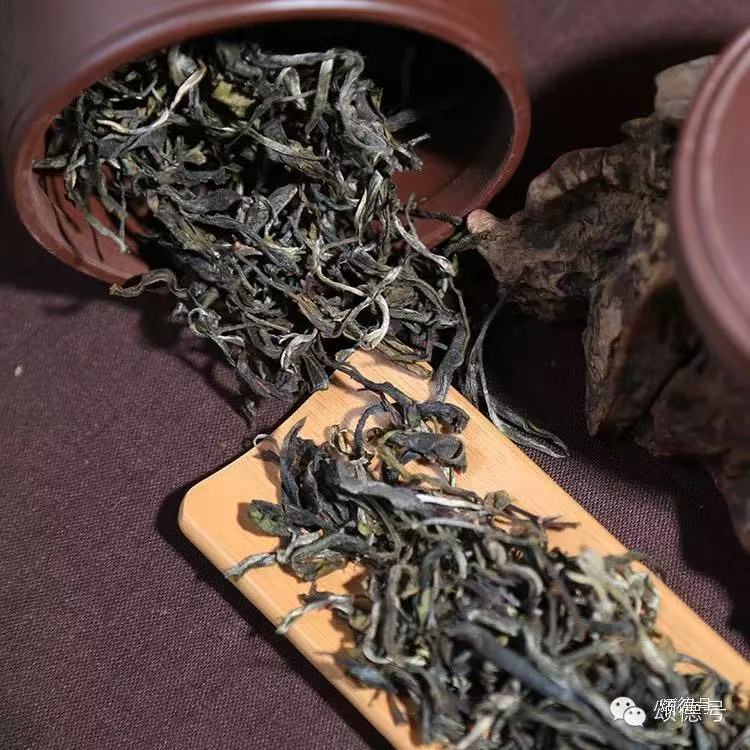
To experience aged tea drinking, try the two 2014 offerings.
2014 Bulang Impression — Bulang Mountain tea, 12 years of aging. Heavy bitterness, strong sweet aftertaste, powerful tea energy. For those who like a tea with "kick." When brewing, pay attention to water temperature: 95–100°C, quick first pour, then adjust steeping time based on desired strength. The charm of aged raw tea is that every infusion changes — from intense to gentle, like a story slowly unfolding.
2014 Yiwu raw tea — Yiwu ancient tree material, also 12 years of aging. But a completely different style. Soft and delicate, full body, high sweetness. If you don't like bitterness and want to experience the gentle warmth of aged raw tea, Yiwu is the way to go.
Two teas — one bold, one gentle. Tasting them side by side is fascinating. Same vintage, different mountains, different aging paths — that's how big the style difference can be. This is the joy of tasting: not comparing which is more expensive, but which suits your palate better.
A Few Final Words
Puer tea returning to drinking is not a downgrade — it's an upgrade.
It means more people drinking, more people understanding what they're drinking, more good tea being genuinely tasted rather than locked in a warehouse waiting to appreciate.
Those 36 tasting-recommended shops in Simao District, 10 yuan to sit down and have a cup — that's a nice image.
3-gram mini tea pieces, single-serving tasting experiences, young people showing up with thermoses to pick their tea... I see these changes every day.
"Tea is for drinking." This sentence is finally not just the shopkeeper talking to himself.
FAQ
What does it mean that Puer tea drinking demand exceeds 65%?
It means the Puer tea market is shifting from collection- and investment-driven to everyday consumption-driven. Over 65% of consumers prioritize tasting experience, while only 31% buy for collection. The market is returning to rationality, and tea's essential nature as a beverage is being re-emphasized.
Why are young people starting to drink Puer tea?
Consumers under 30 surged from 21% in 2023 to 37% in 2026. Young people care more about taste experience and value for money, not about aging tea for appreciation. 3-gram mini compressed tea products lowered the barrier to entry, and new channels like Douyin e-commerce helped young people discover Puer tea.
Should beginners start with raw or ripe Puer tea?
Beginners should start with ripe tea (shou). Ripe Puer undergoes pile fermentation, so the bitterness is already transformed — it enters smooth, sweet, and mellow, and is gentle on the stomach. For raw tea (sheng), start with good value options like Mangfei ancient tree tea, which has a clean taste with bitterness that dissipates quickly and clear sweet aftertaste.
What are 3-gram compressed tea pieces?
3-gram compressed tea pieces are small-format Puer tea products — one serving per piece. They lower the purchase barrier: instead of buying a full 357g cake, you can try 3 grams first. If you don't like it, you've only spent the cost of one brew. If you do, you can buy a larger package. This format is becoming a new trend in the Puer tea market.
Want to learn more about Yunnan ancient tree tea? Contact us
Contact Us →
Follow "Songdehao" Official Account
Enjoyed this article? Get weekly original tea articles, buying guides, and tasting notes.