
It's August.
In just one month, Yunnan's autumn tea season will begin. Every year from September to October is the harvest period for Yunnan autumn teas. Spring tea is all about "freshness," while autumn tea is all about "aroma" — nourished by a full summer of rain, autumn teas often have a more intense fragrance than spring teas.
But before the autumn teas arrive, this period is actually a great window for "stocking up on tea." Today let's talk about how to plan your tea cabinet in August.
When Do Autumn Teas Come to Market?
Yunnan's tea seasons are divided into spring, summer, and autumn:
Spring tea: Harvested from March to May, already on the market. The golden purchasing window for most spring teas has passed.
Summer tea: Harvested from June to August, also called "rain tea." Production is small, mainly used for everyday drinking tea.
Autumn tea: Harvested from September to October, also known as "Guhua tea." This is the most anticipated tea of the second half of the year.
When exactly can you drink autumn tea? Generally, it begins arriving in mid-to-late September, with October being the peak season. But after getting new tea, it's recommended to let it rest — especially raw Puer. Let it sit for a month or two to dissipate the greenness before drinking, and the taste will be much better.
What Tea Is Worth Stocking Up On Now?
Autumn tea isn't out yet, so what should you buy? Two directions:
First, spring tea remnants.
After each spring tea season ends, there's always some remaining stock. These spring teas have been stored for a few months, the greenness has faded somewhat, and prices are more reasonable than when they first hit the market.
If you're an everyday drinker, now is a great time to pick up spring tea remnants. For example, Songdehao's Mangfei ancient tree tea has an annual supply of over a hundred jin (50kg), and there's still some stock in August. The hallmark of Mangfei ancient trees is their excellent value — you can't go wrong choosing it as an everyday tea.
Second, aged white tea.
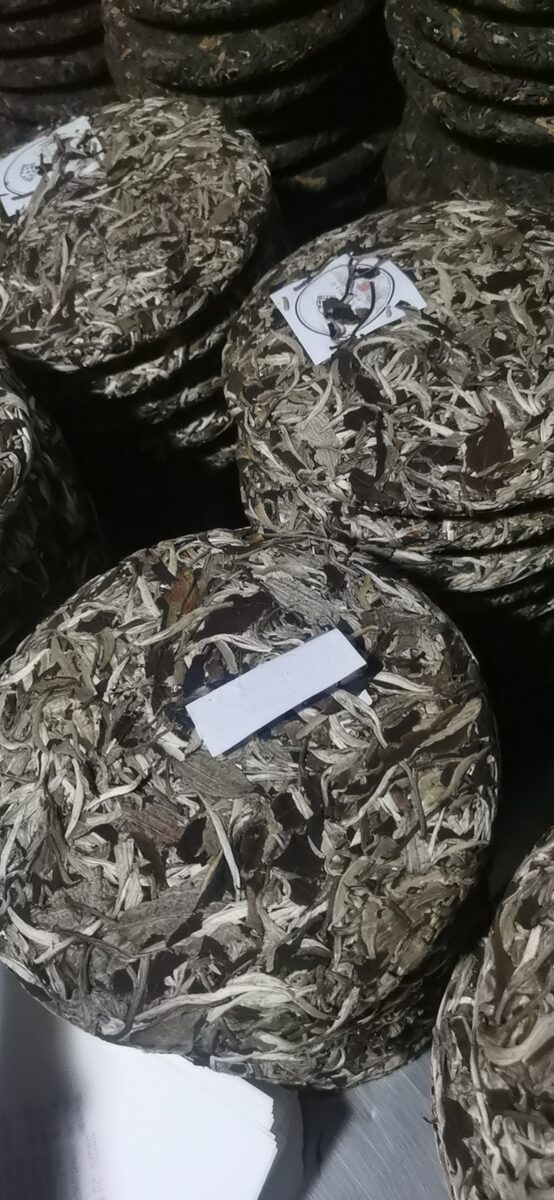
White tea has the saying "one year tea, three years medicine, seven years treasure" — the longer you store it, the more valuable it becomes. Stocking up on aged white tea now means you can either drink it right away or continue aging it.
Songdehao currently has aged Jinggu white tea from 2018, 2019, and 2021, totaling over 300 kilograms. These vintages have undergone several years of natural aging, with the taste transforming from clean sweetness to mellow richness, and the downy aroma and honey notes beginning to emerge.
If you want to build up a tea collection before the autumn tea season, aged white tea is a direction I highly recommend.
Recommendations for Different Needs
For personal drinking:
You drink tea daily and value性价比. I recommend Mangfei ancient tree tea as your everyday raw Puer, Jinggu white tea (new) as a clean, sweet daily drink, and Lincang sun-dried black tea as a gentle, stomach-warming everyday option. These are all consumable daily teas — no harm in stocking up.
For gifting:
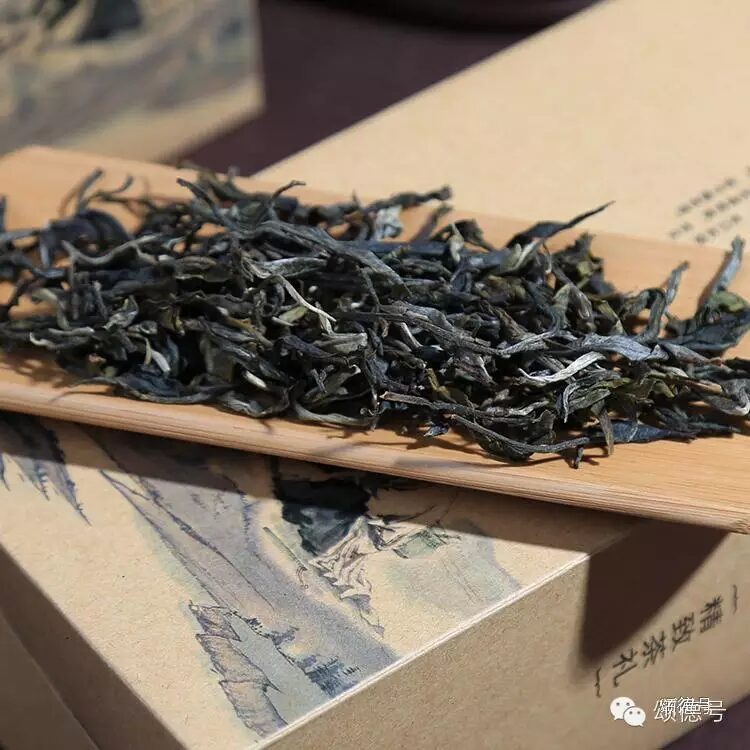
You need something impressive, with both quality and recognizability. I recommend Silver Tip (Baihao Yinzhen) — Jinggu large-leaf buds with downy aroma and honey notes, high quality feel; aged white tea cakes — aged vintages tell a story; Jingmai raw Puer — pronounced orchid fragrance, highly recognizable.
For collecting:
You value aging potential and scarcity. I recommend aged white tea — the 2018 and 2019 vintages have limited stock that only diminishes over time; and high-quality ancient tree spring raw Puer with great aging potential that transforms into something entirely different after a few years.
August Content Preview
Throughout August, the Songdehao official account will focus on the theme of "autumn tea season preparation" with the following content:
- Autumn tea vs. spring tea: What's the real difference?
- White tea storage guide: How to store white teas of different ages
- The history and story of Jingmai autumn tea
- National Day gift tea recommendations
If you're interested, follow our official account to get updates as soon as they're published.
About Songdehao's Product Line
A brief introduction to Songdehao's current product line to help you choose:
White tea: Jinggu large-leaf white tea, including Silver Tip (Baihao Yinzhen), White Peony (Bai Mudan), and Shoumei, with both new tea and aged stock available. Annual production exceeds a thousand kilograms, with over 300 kg of aged stock.
Raw Puer: Covering Jingmai, Mangfei, Bulang, Yiwu, and other mountain origins, with both new tea and 2014 aged tea available.
Sun-dried black tea: Lincang ancient tree sun-dried black tea, sun-dried, smooth taste, suitable for aging.
Detailed information for each tea can be found on the product page. You can also add our WeChat for consultation, and I'll recommend the right tea based on your needs.
The autumn tea season is almost here. Take this time to organize your tea cabinet — restock what you need, store what you should. When the autumn teas arrive, we'll taste them together.
FAQ
When do autumn teas come to market?
Yunnan autumn tea (Guhua tea) generally begins arriving in mid-to-late September, with October being the peak season. After getting new tea, it's recommended to let it rest for a month or two to dissipate the greenness before drinking for better flavor.
Is it still not too late to stock up on tea now?
Not too late at all. August is the perfect window to buy spring tea remnants and aged stock teas. Spring tea remnants are more affordably priced, and aged white teas become more valuable over time. Once autumn teas hit the market you'll have more choices, but popular mountain's autumn teas may sell out quickly.
Is white tea worth collecting?
White tea has the saying "one year tea, three years medicine, seven years treasure," with great aging potential. White tea made from Jinggu large-leaf varietal has excellent raw material quality and proper craftsmanship. After aging, the taste transforms from clean sweetness to mellow richness, with downy aroma and honey notes gradually emerging. Aged white tea has limited stock and becomes increasingly scarce, making it valuable for collection.
Want to learn more about Yunnan tea? Contact us via WeChat
Contact Us →
Follow "Songdehao" Official Account
Enjoyed this article? Get weekly original tea guides, brewing tips and tasting notes