Five government ministries jointly issued a document that concerns everyone who drinks tea.
In early 2026, the Ministry of Industry and Information Technology, Ministry of Commerce, Ministry of Culture and Tourism, State Administration for Market Regulation, and All China Federation of Supply and Marketing Cooperatives — five government bodies — joined forces in a rare collaboration to jointly issue the "Tea Industry Quality Upgrade Guidance (2026–2030)" (MIIT Consumer [2026] No. 14).
This is one of the highest-level policy documents in the history of China's tea industry. The document draws a hard line for the next five years: by 2030, the total scale of the national tea industry chain should reach 1.5 trillion yuan, with revenue from above-scale refined tea processing enterprises exceeding 200 billion yuan.
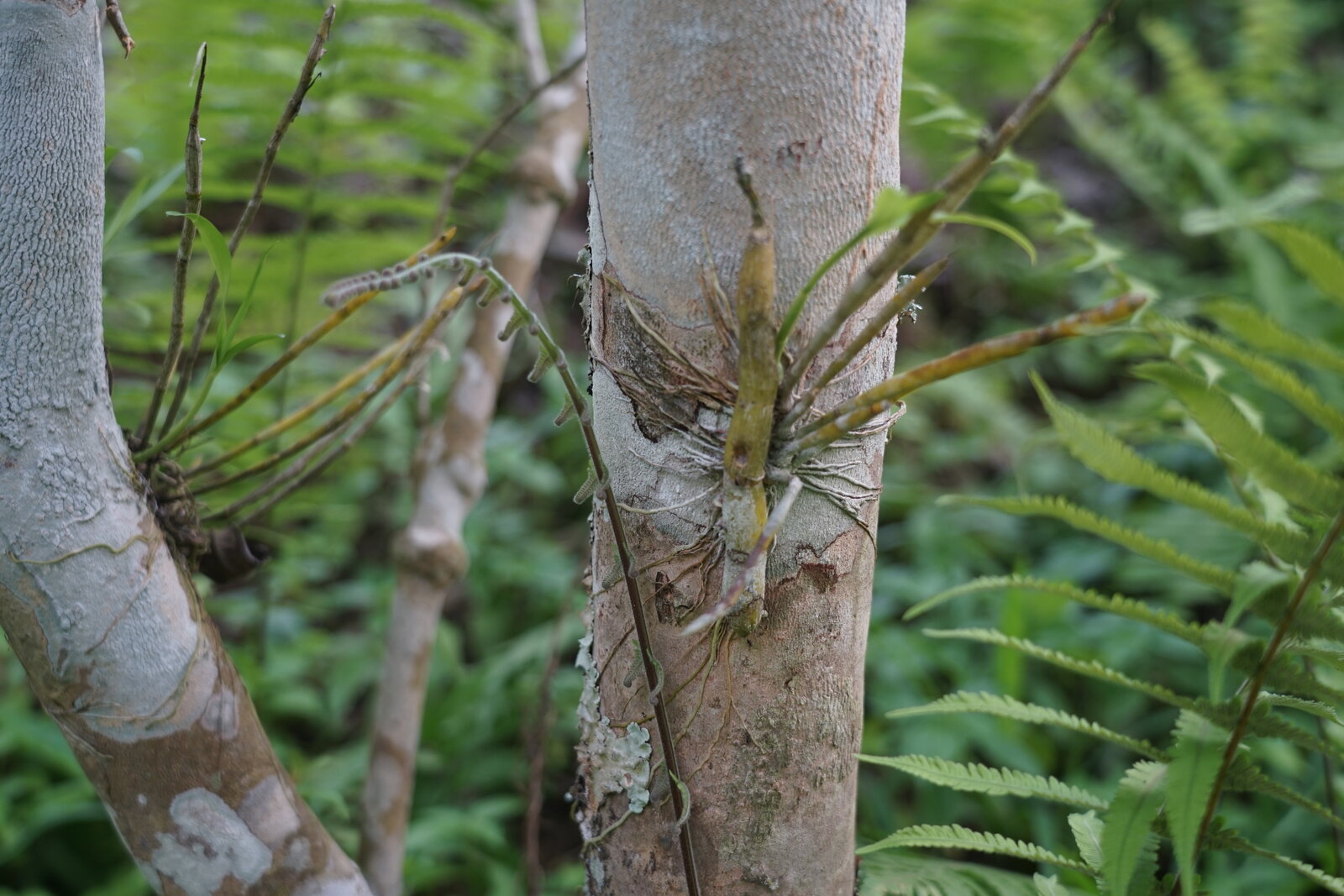
Even more crucial — Yunnan Puer tea is explicitly named, included in the "Traditional Advantage Produ Area Cultivation Program", alongside West Lake Longjing, Anxi Tieguanyin, Wuyi Rock Tea, Xinyang Maojian, and Anhua Dark Tea, as a national key cultivation target.
The named producing areas will receive policy, funding, and brand-building support over the next five years. What does this mean? And what does it mean for ordinary tea drinkers?
1. Three Keywords to Understand the Policy Direction
The document's core can be distilled into three words: digitalization, green development, and diversification. They sound bureaucratic, but unpacked, they're all substance.
Digitalization: From "Making Tea by the Sky" to "Making Tea by Data"
The policy explicitly calls for promoting smart tea gardens, intelligent tea picking, intelligent blending, and automated continuous tea production lines — even cultivating "AI + Tea Industry" professional service providers. In plain terms: tea growing will no longer rely solely on the master craftsman's experience. Sensors and data models will become standard equipment.
According to analysis by the Zhongyan Puhua Industry Research Institute, tea enterprises without digital capabilities will be accelerated out of the market. Technology is no longer an "elective" for leading companies — it's a "required course" for the entire industry.
Green Development: From "Selling Tea Leaves" to "Selling Ecology"
The policy proposes advancing tea product carbon footprint management and encouraging ecological low-carbon tea certification. In September 2025, Wufeng in Hubei issued the province's first tea garden "carbon ticket" — 3,000 mu of tea garden carbon emission reductions were calculated at 2,071 tons, which was pledged at a bank for 150,000 yuan in credit. In the future, tea farmers can sell not just leaves, but "air."
Diversification: From "A Cup of Hot Tea" to "Everything Can Be Tea"
The document explicitly encourages extending tea raw materials into home goods, daily chemicals, beauty, and pharmaceutical health fields. Tea collaborating with craft beer, dark tea toothpaste, tea polyphenol skincare... The boundaries of the industry are being proactively expanded by policy.
2. Why Yunnan Puer Tea?
China has six major tea categories and over a thousand local varieties. Why was Puer tea named?
The answer lies in two numbers: China's tea production accounts for 54% of the global total, with the industry chain driving over 60 million person-times of employment annually, yet the industry has long been "big but not strong, many but not excellent." As a pillar industry of Yunnan, Puer tea has large scale, deep cultural roots, and high international recognition — but it's also the most plagued by "speculation."
The policy naming Puer tea focuses not on expanding production, but on quality consolidation, brand upgrading, and industry chain extension. The document's exact wording emphasizes that traditional advantage producing areas should "not blindly expand planting area."
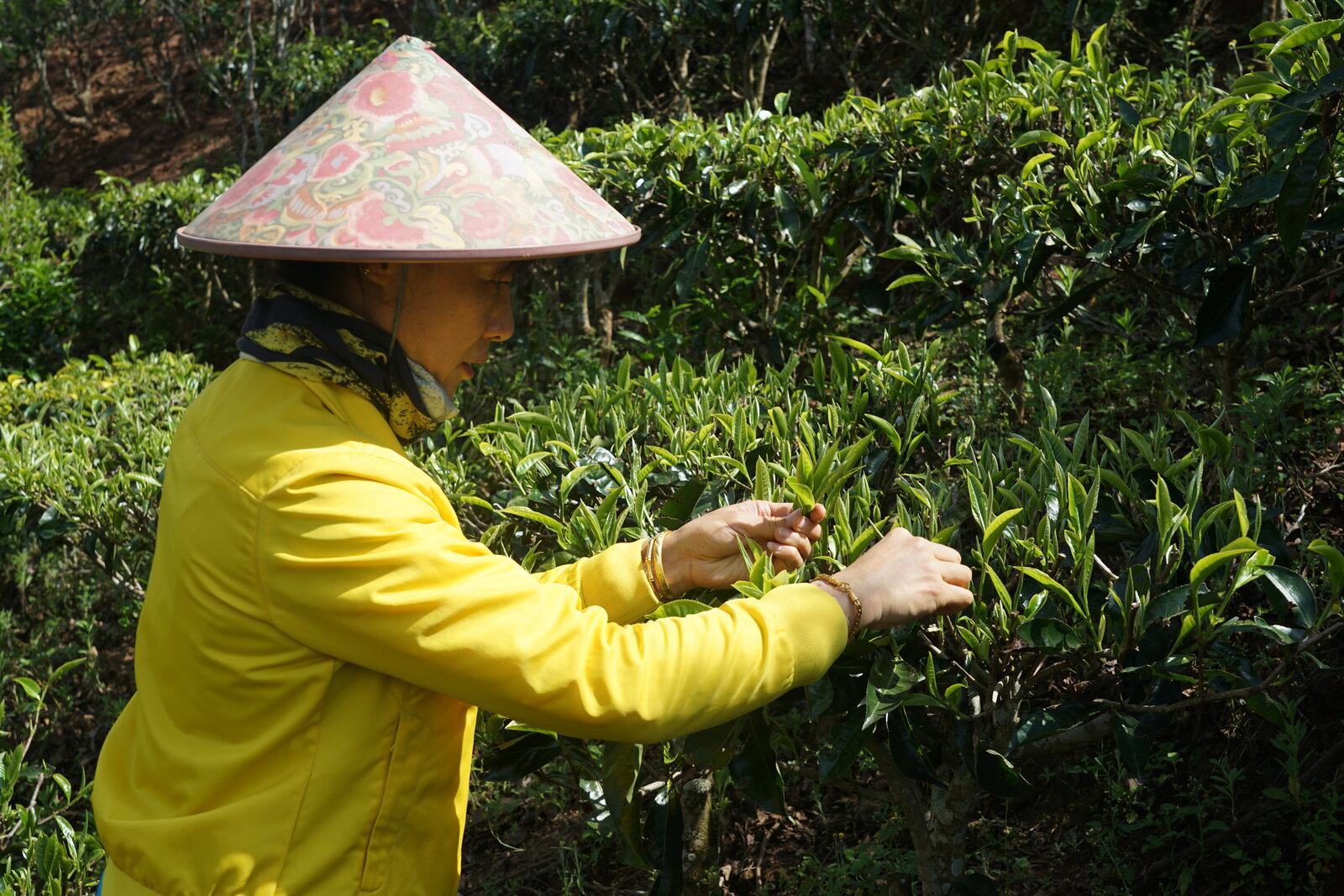
This point is critical. In recent years, the biggest problem in the Puer tea market hasn't been insufficient production — it's been insufficient trust.
3. The National Crackdown on "Famous Mountain Tea" Speculation
This is perhaps the part of the document most directly relevant to ordinary consumers.
In recent years, the concepts of "famous mountain tea" and "ancient tree tea" have been blown out of proportion. According to a CCTV Financial Investigation exposé, one livestream account claimed to sell Mansong Prince Mountain ancient tree tea — 200g for just over a hundred yuan, which works out to less than 600 yuan/kg — while the actual raw material cost exceeded 60,000 yuan, a hundredfold difference. Actors posed as tea farmers, fabricated origin identities, and piled on rhetoric about "extinct tribute tea" and "collection value," exploiting information asymmetry to harvest consumers.
A People's Daily Online commentary hit the nail on the head: "The root of the chaos lies in the market falling into an almost obsessive consumer psychology — the 'ancient tree only' doctrine."
The policy signals are crystal clear:
- Strict prohibition on fabricating mountain origins, exaggerating ancient tree ages, and falsely advertising collection value
- Require all online tea merchants to fully disclose raw material origin, tree age, inspection reports, and traceability credentials
- Establish an industry blacklist system — repeat offenders will be placed on a dishonesty list
Multiple Yunnan associations jointly issued a rectification notice in June, launching a comprehensive campaign to standardize the Puer tea livestream market.
In plain terms: the path of selling high-priced tea through made-up stories is being shut down by the national government.
4. What Does It Mean for Tea Drinkers?
Three concrete changes:
First, no more blind guessing when buying tea. Blockchain traceability is being fully deployed. Legitimate tea products will come with QR codes — one scan reveals picking time, processing method, quality inspection report, and storage records. Buying tea used to rely on sweet talk; now it relies on evidence.
Second, prices returning to rationality. Once transparent, raw material prices and producing area costs are fully public. The costs of famous mountain tea and ancient tree tea have no more secrets. "Famous mountain ancient tree" tea priced more than 30% below market rate is almost certainly a scam.
Third, visible quality standards. The policy drives the comprehensive rollout of standardized systems — from fresh leaf picking to finished product leaving the factory, every step is verifiable. Good tea is no longer just "whatever the master says" — there are objective standards to rely on.
5. What Is Songdehao Doing?
Honestly, this policy is quite encouraging for us. Because the direction the national government is promoting happens to be exactly what Songdehao has been doing all along.
Affordable and Transparent — No Storytelling
From day one, Songdehao has never touched the "famous mountain tea speculation" playbook. We don't fabricate ancient tree stories, we don't create fake "helping farmers" personas, and we don't play the "extinct collectible" rhetoric. Tea is tea. Where the raw material comes from, what grade it is, what processing method was used — it's all clearly stated on our product pages.
The policy's crackdown on "famous mountain tea" speculation is essentially protecting honest tea merchants like us. When the information gap is filled, brands that win through transparency and quality will truly prevail.
Standardized Processing — Open Parameters
Puer tea quality lives in the details of every processing step.
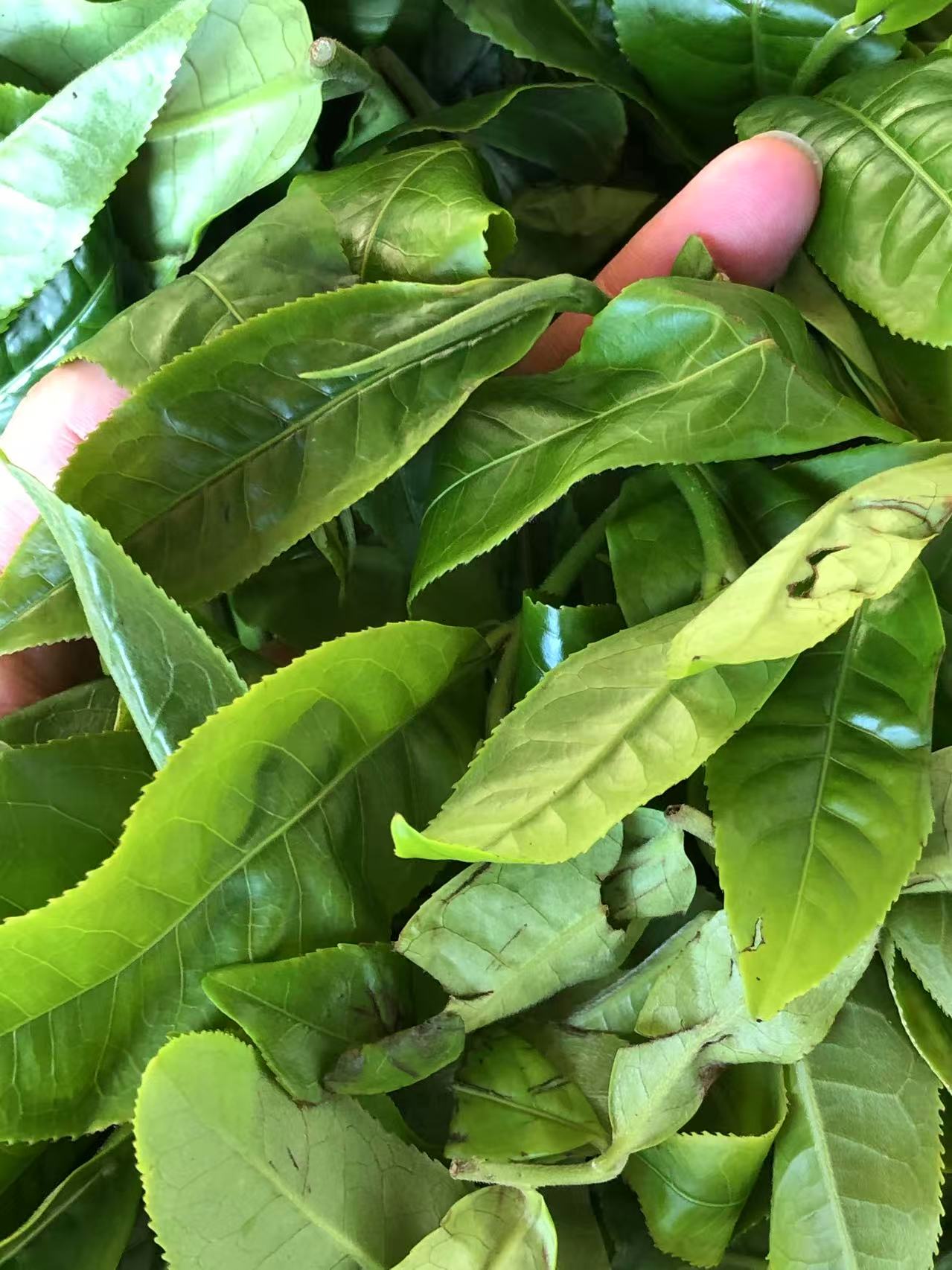
Take sun-dried raw tea (mao cha) primary processing as an example. Our process strictly follows the standard workflow: fresh leaves are graded and spread to wither, with moisture reduced to about 70% before timely kill-green; kill-green wok temperature is adjusted based on raw material characteristics, combining tossing and covering techniques to ensure even and thorough fixing; rolling uses a two-step approach of initial rolling plus re-rolling — the large-leaf varietal has thin leaf flesh and high water content, so pressure should not be too heavy; finally, sun-drying, where the tea never directly touches the ground, and finished dry tea moisture is controlled within 10%.
These aren't empty words. The reason sun-drying is the orthodox foundation of Puer tea is that it preserves approximately 92% of the tea polyphenols and active enzymes — this is the fundamental prerequisite for Puer tea's aging potential. High-temperature oven drying loses over 20% of polyphenols and destroys the aging capacity, so it cannot be considered orthodox Puer tea raw material.
Ripe tea pile fermentation also has strict parameter controls: pile temperature maintained between 50–55°C. Below 45°C, fermentation is insufficient; above 65°C, "scorching" occurs — the infused leaves won't unfurl, the flavor is thin, and the liquor turns dark. The pile is turned every 7 days, with the entire fermentation cycle lasting 25–30 days. Only when sampling evaluation confirms that the tea leaves show a reddish-brown color, the white down has turned golden, the liquor is mellow and smooth, the color is deep red, and aged aroma characteristics are present, can the pile be opened.
Storage Standards — Dry Warehouse Storage
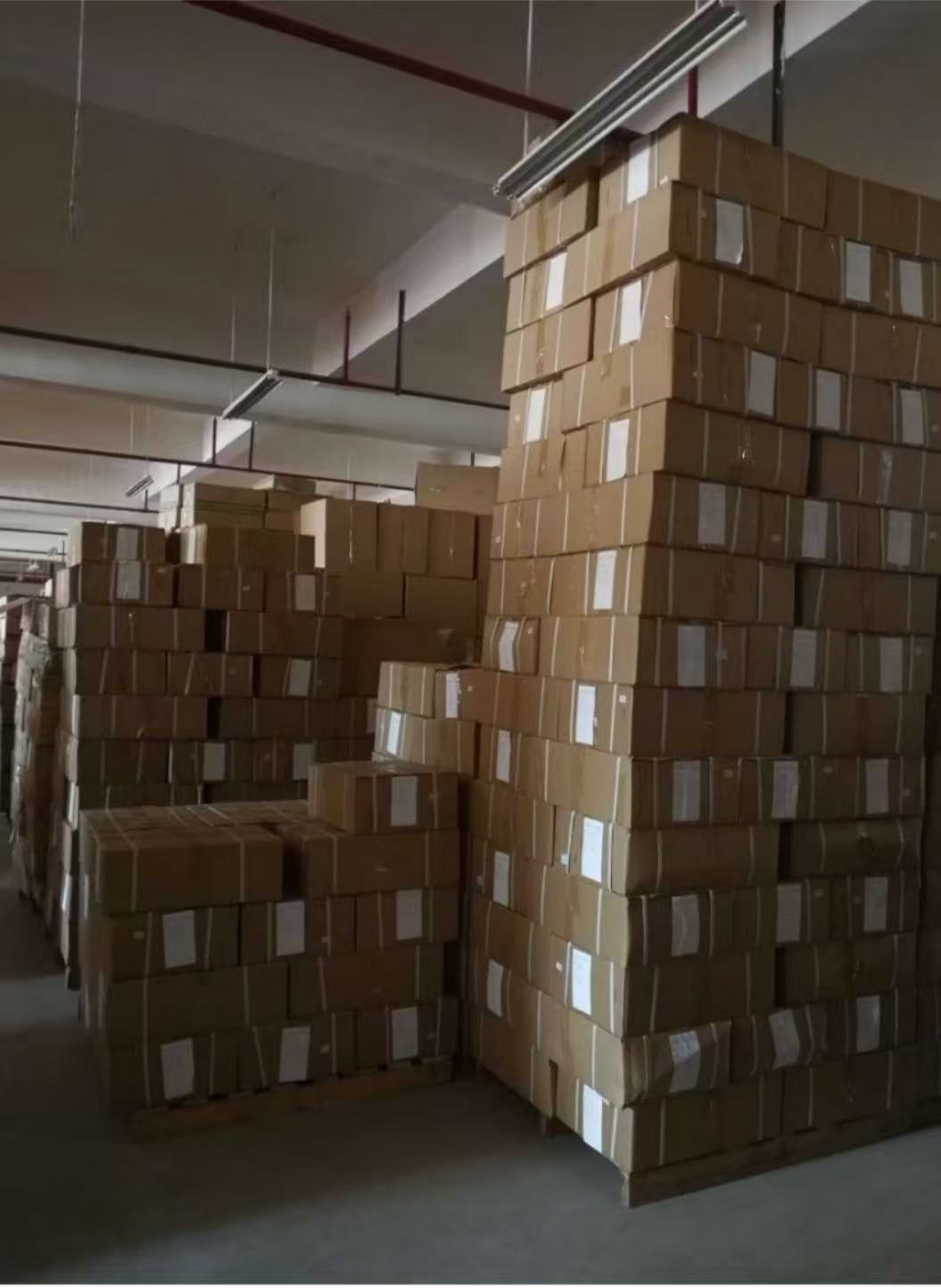
Puer tea storage isn't just about finding any warehouse and piling it up. Our standard dry warehouse parameters are: temperature 15–25°C, humidity 55%–70%, ventilated, light-shielded, odor-free, clean and dry, with raw and ripe tea stored separately.
Why so strict? Humidity above 75% breeds harmful mold, producing musty and warehouse notes with cloudy, sour liquor; humidity too low halts the aging process; temperature above 35°C causes rapid loss of aromatic compounds, leaving the tea thin and lifeless.
Good storage is the second half of Puer tea quality.
6. Policy Tailwind — Good Tea Shouldn't Cost a Fortune
Back to the opening question: what does the 1.5 trillion yuan target have to do with tea drinkers?
A lot. What the national government is doing is shifting the tea industry from "selling high prices through stories" to "winning the market through quality and brand." When standardized systems land, traceability information becomes transparent, and prices return to rationality, the barrier for ordinary people to enjoy a clean, authentic, reasonably priced cup of Puer tea will keep getting lower.
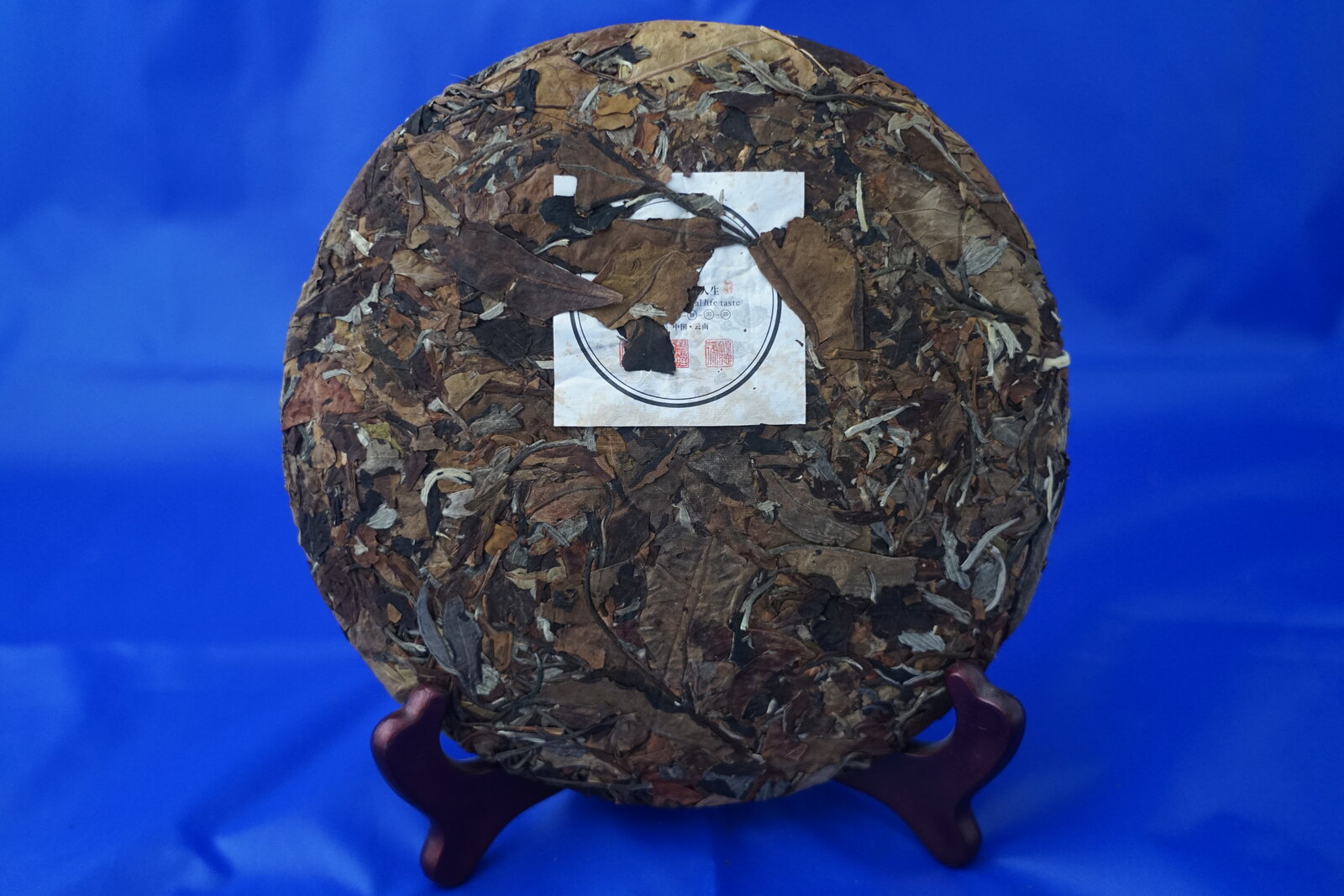
Songdehao's philosophy has always been simple: good tea shouldn't cost a fortune. Transparency is the greatest sincerity.
We make orthodox Puer using sun-drying methods, with open parameters and verifiable processing, stored to standard. We don't chase mountain hype or fabricate ancient tree stories — we let the taste of a cup of tea speak for itself.
If you'd also like to drink a cup of Puer tea that's "crystal clear," come take a look at Songdehao.
References:
- Tea Industry Quality Upgrade Guidance (2026–2030), jointly issued by five government bodies including the Ministry of Industry and Information Technology (MIIT Consumer [2026] No. 14)
- China Tea Marketing Association estimates: China's tea industry total comprehensive output value was approximately 1.15 trillion yuan in 2025
- Zhongyan Puhua Industry Research Institute, "2026–2030 China Tea Planting and Processing Industry Panoramic Survey and Development Trend Forecast Report"
- Puer tea processing parameters referenced from "Tea Processing" (national agricultural and forestry university textbook) and Zhou Hongjie's "Puer Tea Studies"
FAQ
What is the Tea Industry Quality Upgrade Guidance document?
In early 2026, five government bodies — the Ministry of Industry and Information Technology, Ministry of Commerce, Ministry of Culture and Tourism, State Administration for Market Regulation, and All China Federation of Supply and Marketing Cooperatives — jointly issued the "Tea Industry Quality Upgrade Guidance (2026–2030)" (MIIT Consumer [2026] No. 14). It is one of the highest-level policy documents in the history of China's tea industry, with a target of reaching 1.5 trillion yuan in total tea industry chain scale by 2030.
Why was Yunnan Puer tea named as a key cultivation focus?
As a pillar industry of Yunnan, Puer tea has large scale, deep cultural roots, and high international recognition. It was included in the traditional advantage producing area cultivation program alongside West Lake Longjing, Anxi Tieguanyin, and others. The policy focus is not on expanding production, but on quality consolidation, brand upgrading, and industry chain extension, with an emphasis on not blindly expanding planting area.
What impact does the policy have on ordinary consumers?
Three changes: first, no more blind guessing when buying tea — blockchain traceability is being fully deployed, so scanning a QR code reveals picking time, processing method, and quality inspection reports; second, prices returning to rationality — once transparent, famous mountain ancient tree tea priced 30% below market rate is almost certainly a scam; third, visible quality standards — every step from fresh leaf to finished product is verifiable.
What are the standard parameters for Puer tea storage?
Standard dry storage parameters: temperature 15–25°C, humidity 55%–70%, ventilated, light-shielded, odor-free, clean and dry, with raw and ripe tea stored separately. Humidity above 75% breeds harmful mold; humidity too low halts aging; temperature above 35°C causes rapid loss of aromatic compounds.
Want to learn more about affordable Yunnan tea? Contact us
Contact Us →
Follow "Songdehao" Official Account
Get more tea knowledge, buying guides, and tasting notes. We share firsthand stories from Yunnan's ancient tea mountains — from the tea fields to your cup.